
Food Forensics and Filth Testing Services
Food forensics helps identify filth, foreign matter, and other unexpected material in food ingredients and finished products. Our specialists help you determine what testing is appropriate, what the results mean, and what to do next.
- Support for FDA detention and import investigations.
- Filth analysis for processed foods and ingredients.
- Examination of whole spices and raw agricultural products.
- Identification of objects found in products or complaint samples.

40+ years of food forensics experience

Specialized entomology and food-analysis expertise

FDA-, AOAC-, and ASTA-informed analysis

ISO 17025-accredited

ASTA member
Not Sure Which Food Forensics Service You Need?
Start by telling us what happened, what product is involved, or what decision you need to make. Common inquiries include:

“The FDA has detained our shipment and we need help.”

“We need to evaluate a whole spice or raw ingredient.”

“A customer found an object in our product.”

“We have a concern about quality or sensory characteristics.”
Depending on the situation, we will recommend the appropriate service to help resolve your problem.
Food Forensics Services
Filth Analysis for Processed Foods and Ingredients
Filth analysis separates and examines small or hidden contaminants in ground spices, dried foods, mixes, and other processed products. For example, an importer that receives an FDA detention notice for possible insect or rodent contamination may need a product-specific filth analysis and microscopic examination.
Light and heavy filth are related categories within this service. The product matrix and suspected material determine which procedure is appropriate.
Light filth analysis may detect:
- Insect fragments
- Whole or partial insects
- Rodent and other animal hairs
- Feather material
- Mites
- Fibers
Heavy filth analysis may detect:
- Sand and grit
- Stones
- Soil
- Other dense extraneous material
Depending on the concern, filth analysis may be paired with limited microbiology or analytical chemistry testing, such as yeast and mold, Aerobic Plate Count, moisture, or water activity.
Sanitation and Macroscopic Examination
Sanitation examination is generally used for whole or minimally processed ingredients that can be inspected directly. For example, an importer may submit whole peppercorns for examination of insect damage, mold, webbing, foreign botanical matter, and other evidence of poor storage or handling.
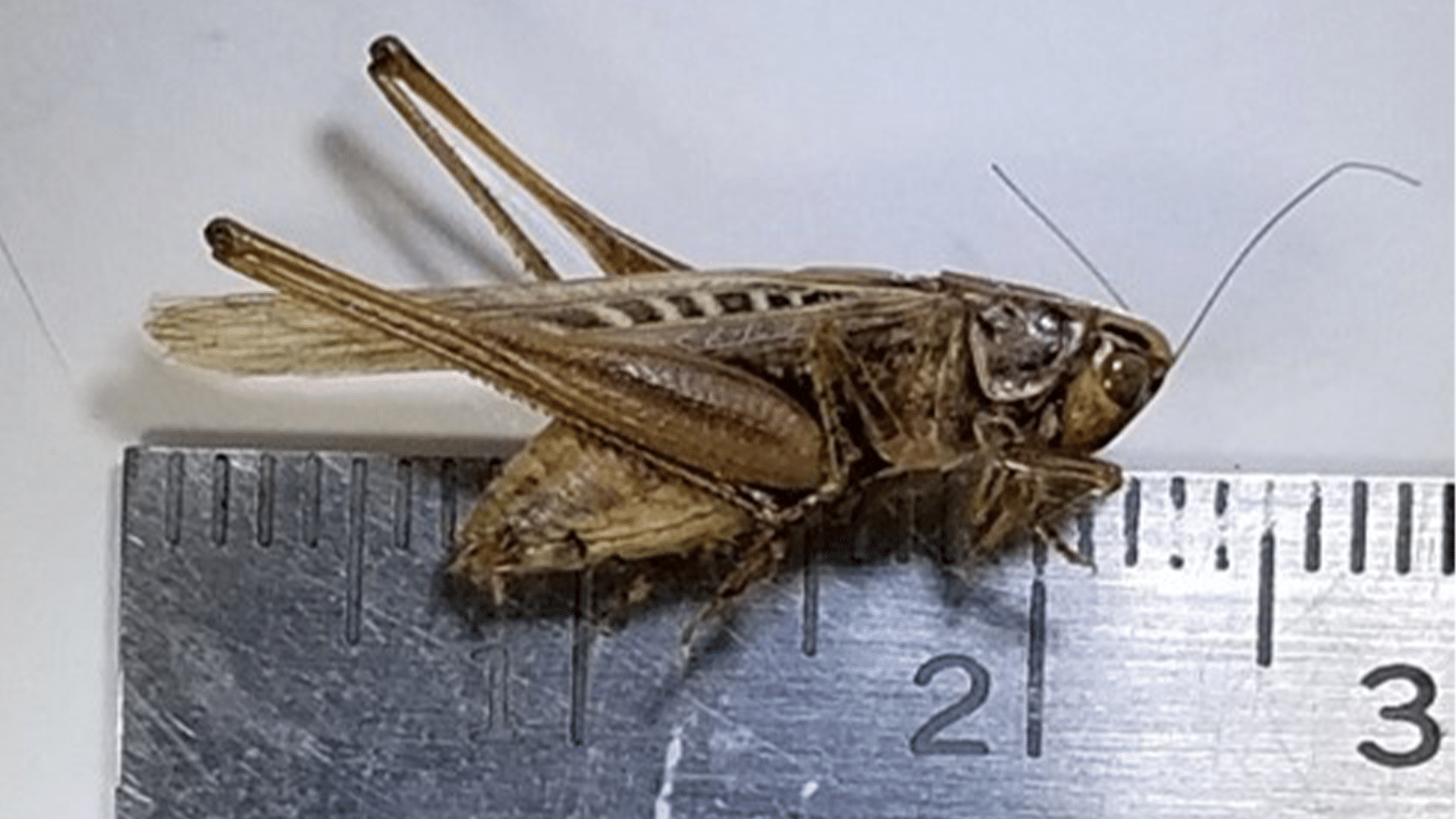
Whole insects or larvae
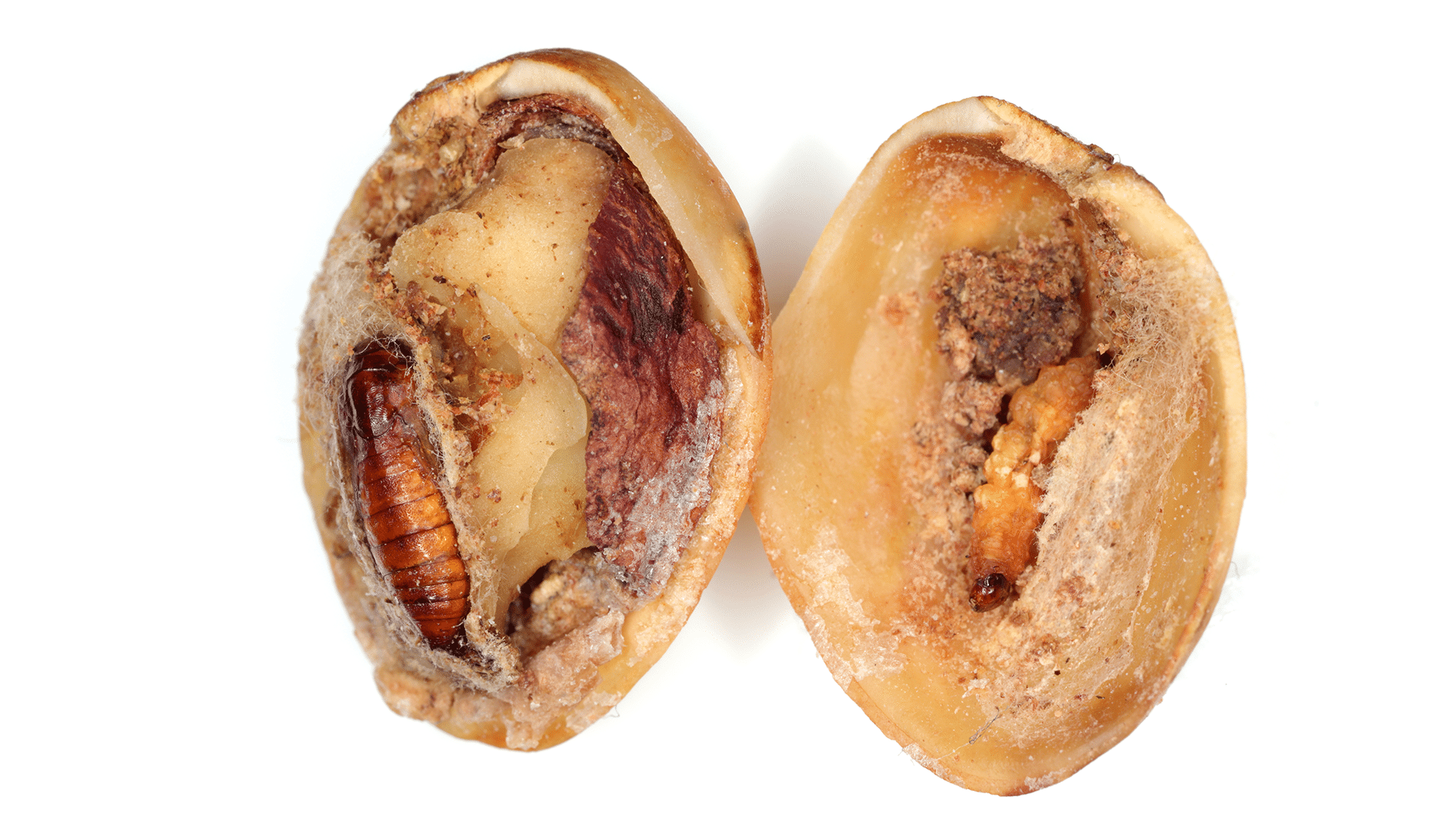
Insect damage or bored holes
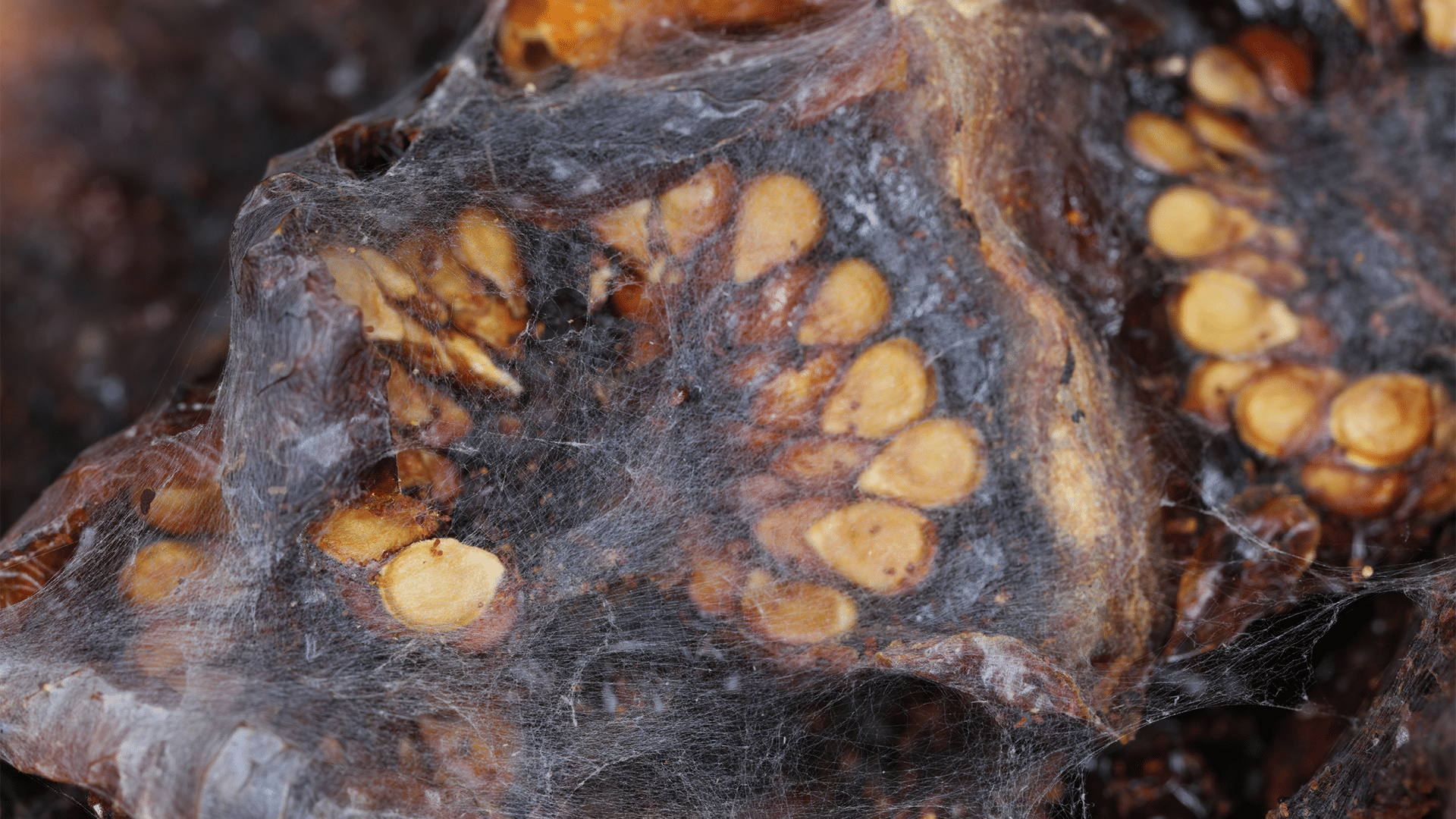
Webbing
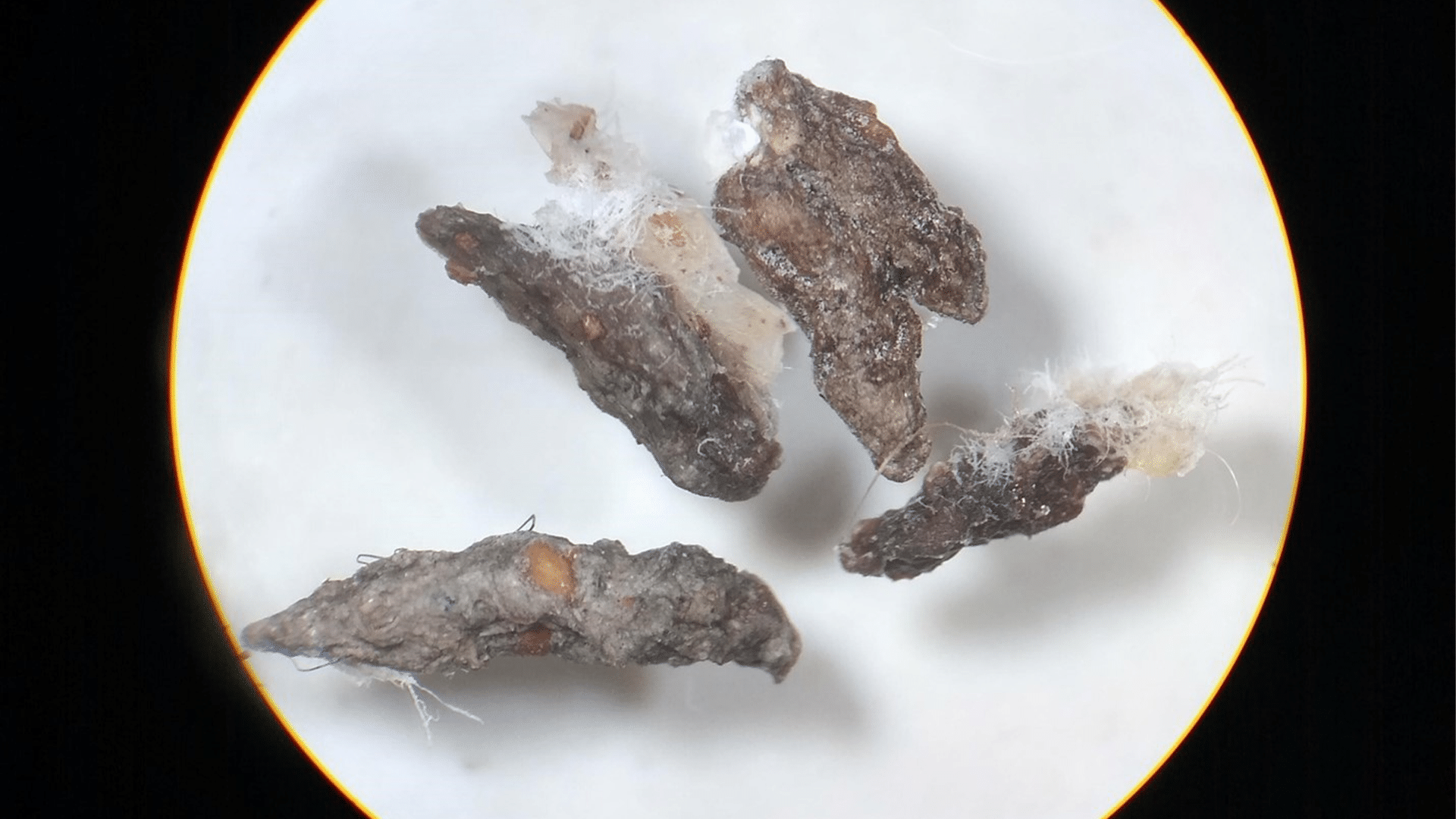
Excreta
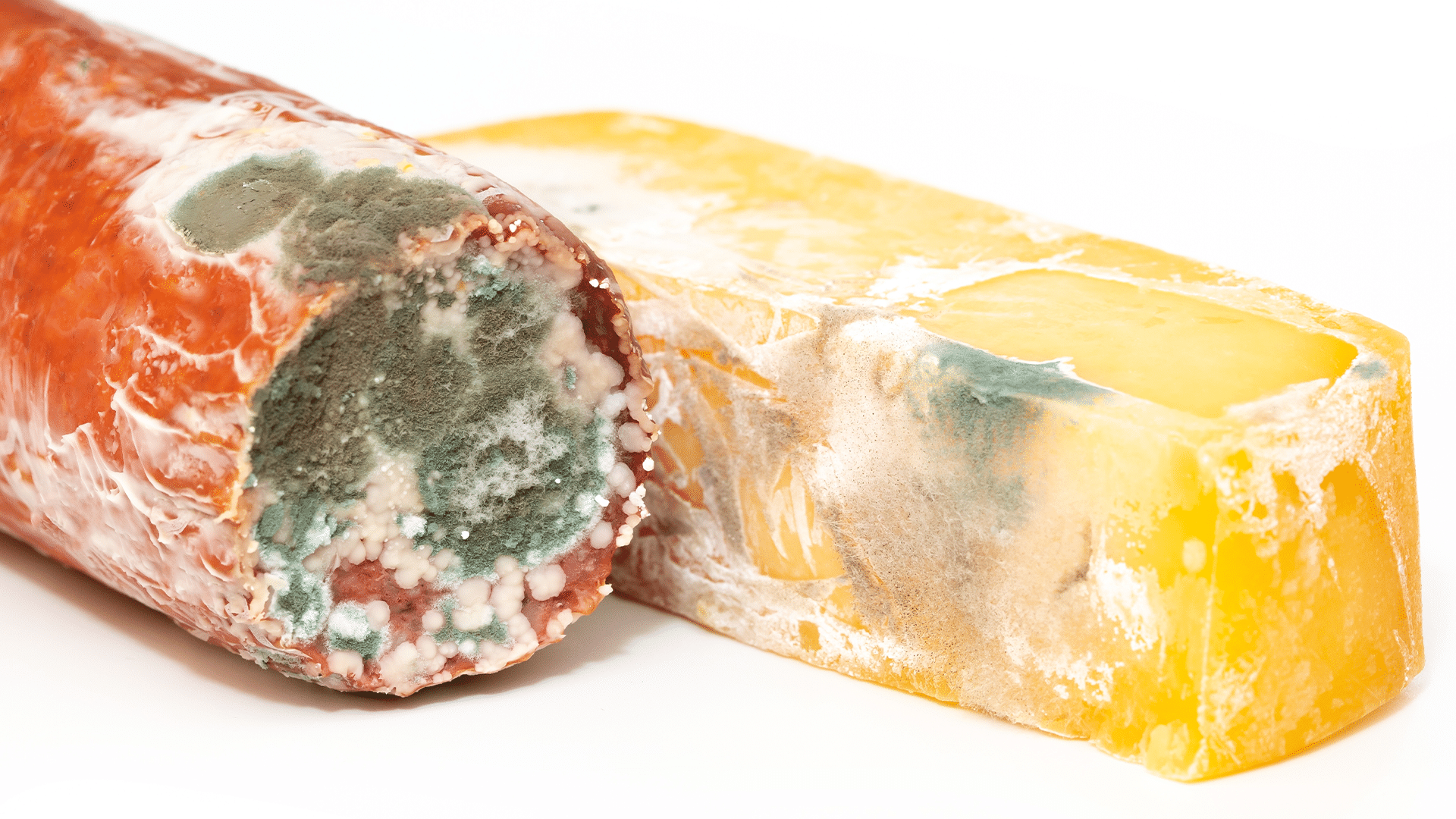
Mold or decomposition
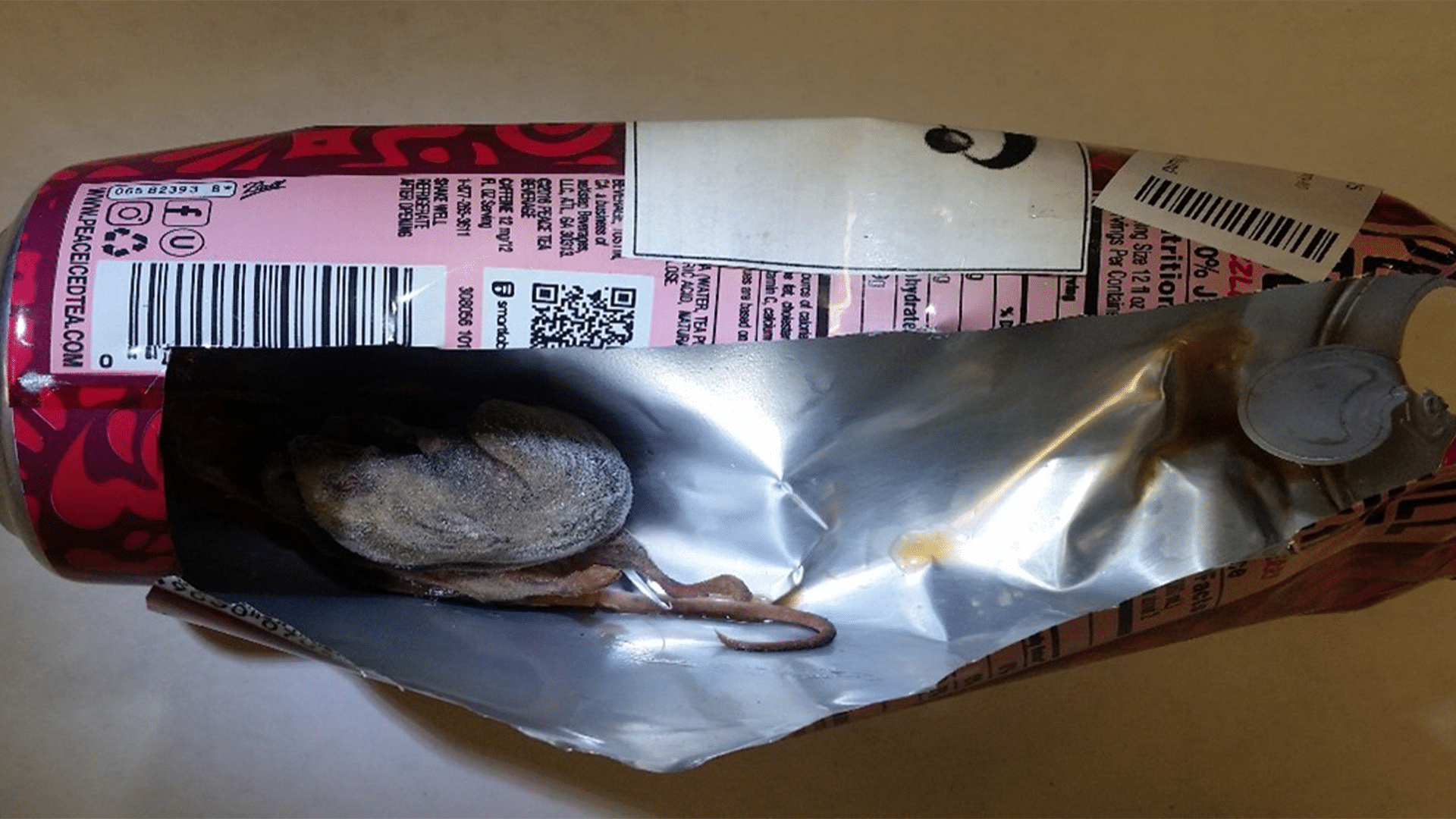
Rodent contamination
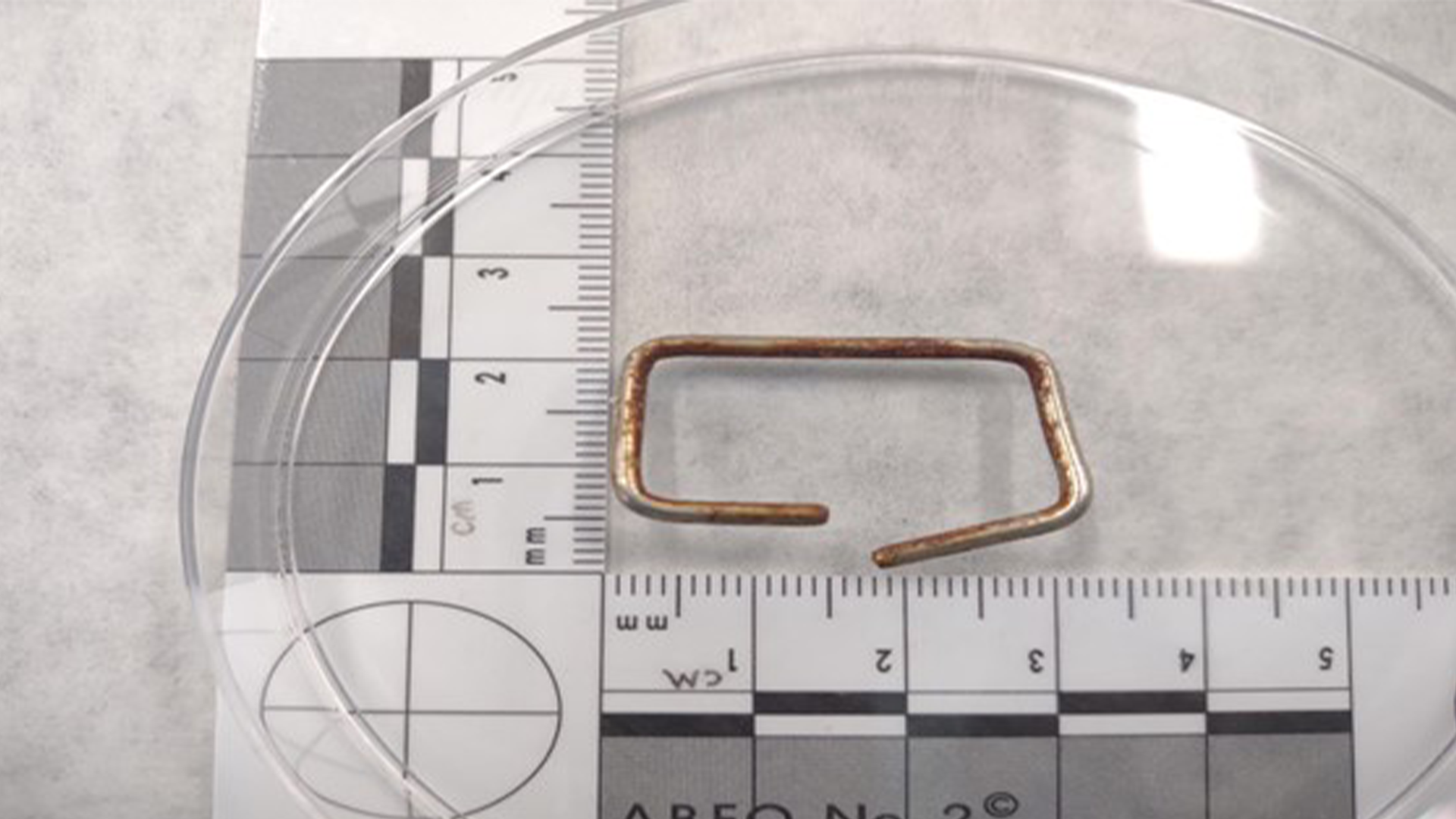
Sticks, stones, or other foreign matter

Unexpected leaves, stems, seeds, or husks
Once a product is ground, microscopic filth analysis may be more appropriate because larger defects may have been reduced to fragments.
Microbiology or chemistry testing may also be recommended when the investigation involves sanitation, spoilage, or storage conditions.
Foreign botanical matter analysis may also be used to identify unexpected plant material in spices, herbs, and other botanical ingredients.
Foreign Material Identification
Foreign material identification is performed when a specific object has already been isolated and the customer needs to determine its identity, composition, or possible source. For example, if a consumer reports finding a hard fragment in a food product, the laboratory may analyze the item to determine whether it is glass, plastic, stone, bone, metal, or another type of material.
This service differs from filth analysis, which evaluates a food sample for potential categories of contaminants. Filth analysis may identify contaminants that are unavoidable due to agricultural practices, harvesting, or processing conditions, or may be associated with issues such as improper storage or handling. Foreign material identification focuses on the examination and characterization of one specific recovered object.
Visual and microscopic examination
Comparison with known materials
FT-IR spectroscopy
Hair or fiber examination
Glass refractive index analysis
Other material-specific techniques
When appropriate, environmental swabs, pathogen testing, or analytical chemistry may help investigate the possible source or significance of the material.
Specialized Food Quality and Contamination Evaluations
Some product concerns require a specialized physical or quality examination.
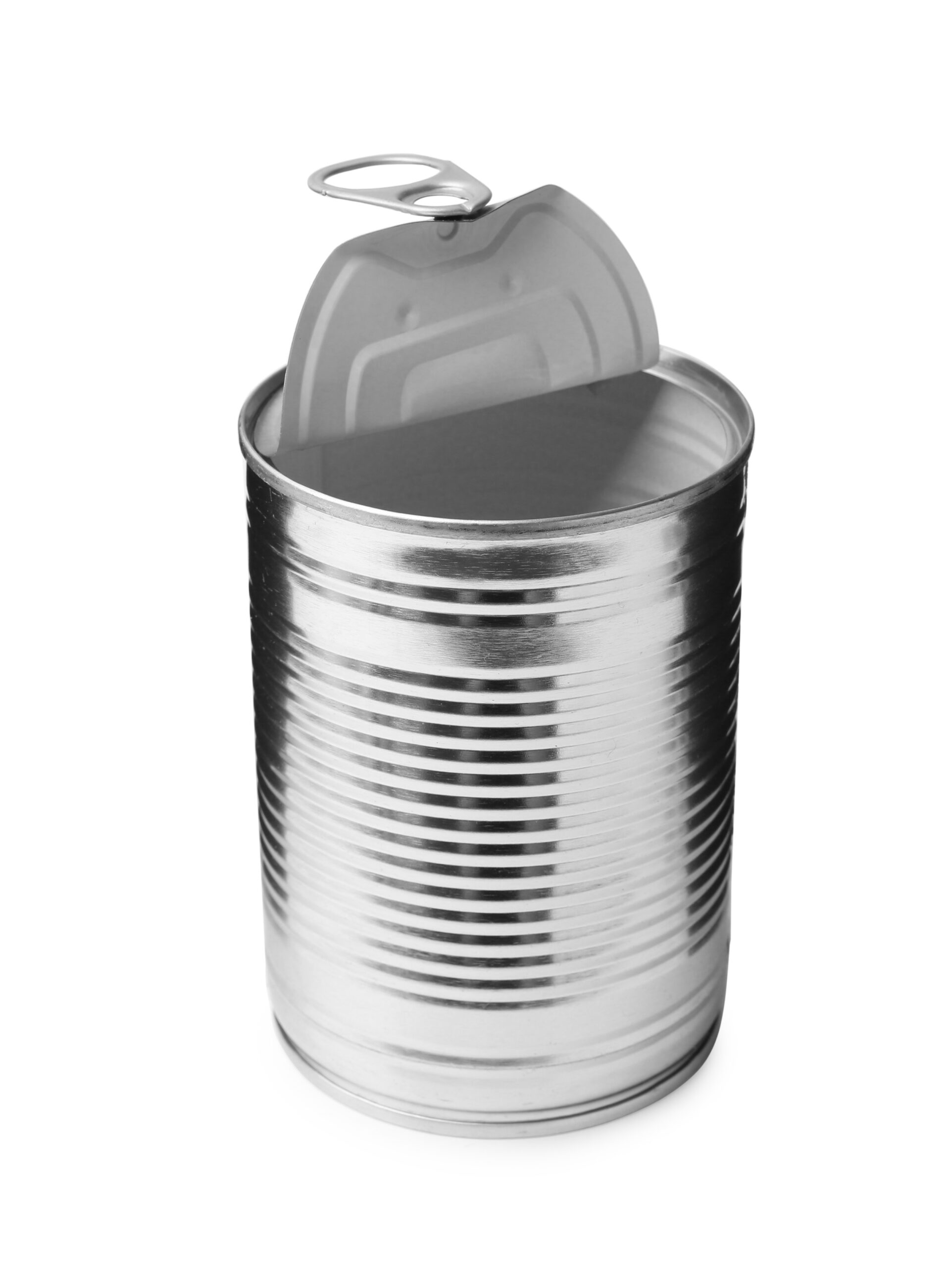
Can-Seam Evaluation
Can-seam evaluation examines double seams for gaps, wrinkles, misalignment, and other defects that may affect container integrity. Microbiology, pH, or vacuum testing may also be considered when spoilage or loss of seal is suspected.
Seafood Quality and Decomposition
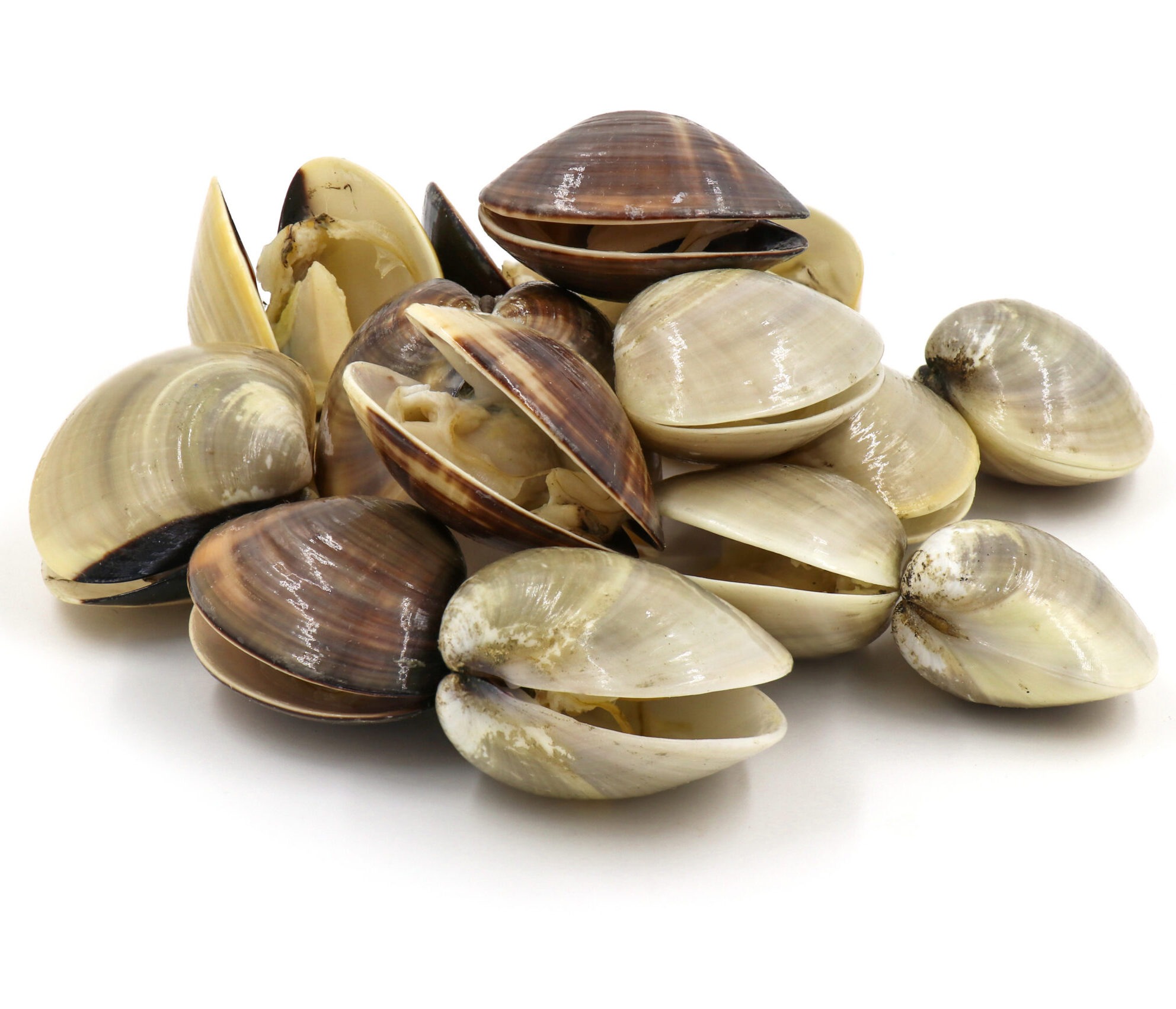
Seafood evaluations can address freshness, decomposition, parasites, evisceration, physical defects, and processing quality. Depending on the concern, testing may be paired with Aerobic Plate Count, Vibrio, histamine, rancidity, moisture, salt, or phosphate analysis.
Break Force Analysis
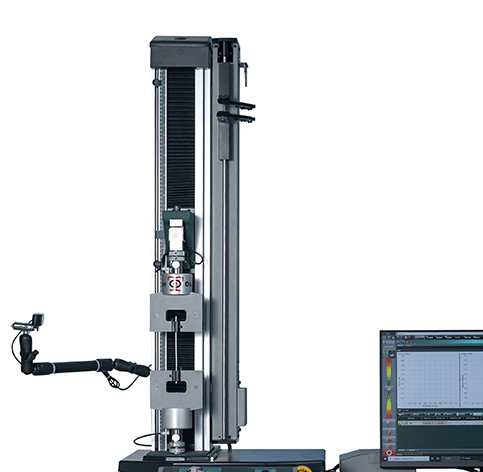
Break Force Analysis measures the force required to compress or fracture a food product. It can support investigations involving product texture, formulation changes, supplier differences, lot-to-lot consistency, or certain gel products subject to FDA import concerns.
Common products include gummies, jelly cups, gel desserts, chewy confections, and pet treats.
Other Specialized Examinations
Additional capabilities include:
Parasite determination (candling)
Bone particle-size evaluation
Starch adulteration analysis
Evisceration examination
Glass refractive index analysis
Our specialists can help determine whether one of these evaluations applies to your product.
Common Food Matrices and Materials We Examine
Filth testing methods are matrix-specific. The laboratory considers the product’s composition, particle size, processing history, and applicable regulatory or industry criteria when selecting the procedure.
Questions Forensic Food Analysis Can Help Answer
Forensic food analysis is most useful when the investigation begins with a specific question.
Food forensics may help determine:
- What is the unknown material?
- Is it part of the food or foreign to the product?
- Does the sample show evidence of insects, rodents, mold, or poor storage?
- How does the finding compare with applicable FDA or industry criteria (such as FDA Defect Action Levels)?
- Is the object consistent with packaging, equipment, an ingredient, or an external source?
- What additional samples, records, or testing may be needed?
Where Food Forensics Fits in Your Food Safety Program
Food forensics supports investigations when routine controls uncover unexpected material or evidence of contamination. It can help food safety and quality teams:
- Evaluate questionable ingredients or supplier lots
- Investigate consumer complaints
- Investigate sanitation and pest-control concerns
- Support root-cause analysis and corrective action
- Respond to regulatory, import, or inspection findings
Results should be considered alongside production, supplier, sanitation, maintenance, packaging, and distribution records.
Food Forensics and Filth Testing FAQs
What is food forensics?
Food forensics is the laboratory examination of food, ingredients, or recovered material to identify filth, foreign matter, or other unexpected contamination. It is commonly used during complaint, supplier, regulatory, sanitation, or root-cause investigations.
What sample types can be tested?
Food forensics can be performed on raw ingredients, in-process materials, finished products, recovered objects, selected packaging materials, and comparison samples. Sample requirements depend on the matrix and the question the testing must answer.
What contaminants are included in filth testing?
Filth testing may detect insect fragments, whole insects, mites, animal hairs, feather material, excreta, mold, sand, grit, stones, glass, metal, plastic, rubber, fibers, and other extraneous material.
How is food forensics different from routine food safety testing?
Routine food safety testing typically measures a predefined hazard or specification. Food forensics investigates an unexpected object, material, complaint, or contamination event and may require isolation, microscopy, comparison samples, and interpretation of the finding.
What methods are used to detect filth or extraneous material?
Methods may include light-filth extraction, heavy-filth separation, filtration, flotation, sieving, macroscopic examination, microscopy, and comparative identification. Depending on the product and concern, testing may follow applicable AOAC Official Methods, ASTA methods, FDA’s Macroanalytical Procedures Manual (MPM), or Laboratory Information Bulletins (LIBs).
How long does a typical food forensics analysis take?
Turnaround depends on the matrix, condition of the material, analytical method, and level of identification required. Standard and rush options should be discussed with the laboratory before submitting the sample.
Can results be used for regulatory or legal purposes?
Food forensics reports may support regulatory responses, complaint investigations, supplier disputes, insurance claims, and legal matters when sampling, chain of custody, methods, and reporting are appropriately controlled. The intended use of the report should be discussed with the laboratory before testing begins.
Why Choose Certified Laboratories for Food Forensics?
-
-
-
-
- More than 40 years of food forensics experience.
- Food science, microscopy, and entomology expertise.
- Foreign-material characterization capabilities.
- Documented sample handling and reporting procedures.
- Validated methods selected according to applicable regulatory and industry requirements.
-
-
-
Request Food Forensics Testing
Use the form to tell us what happened, what product is involved, and what decision you need to make. Our specialists will help determine the appropriate analysis, sample requirements, and reporting approach.