
When entering the Canadian market with a natural health product (NHP) or supplement, ensuring the product meets regulatory standards is essential. Proper third-party supplement and natural health product testing helps meet requirements with Health Canada’s regulations while supporting product safety and efficacy.
This article explores the distinctions between natural health products and food products in Canada, the regulatory framework surrounding NHPs, and the importance of partnering with a reliable supplement and natural health product testing lab.
Distinguishing Between Natural Health Products and Food Products

Natural health products and foods are both regulated by Health Canada but fall under different regulatory frameworks with distinct safety, efficacy, and quality expectations.
What is a Natural Health Product?
Health Canada defines NHPs as naturally occurring substance used to maintain or restore good health. These include…
- Vitamins and minerals
- Herbal remedies
- Essential fatty acids
- Homeopathic medicines
- Traditional medicines
- Probiotics
- Amino acids
Non‑prescription drugs (e.g., OTC analgesics, antacids, cough and cold remedies, emergency contraceptives) and disinfectants are not classified as NHPs.
They are regulated separately under the Food and Drug Regulations, although they fall under the oversight of the Natural and Non‑prescription Health Products Directorate (NNHPD).
Food Products
Foods are regulated under the Food and Drugs Act and Food and Drug Regulations. They serve to nourish, provide energy, or satisfy hunger and follow a post‑market regulatory model.
Why Classification Matters
Misclassification may result in product compliance issues. Before entering the market, determine whether your product fits the regulatory definition of a food or an NHP.
Health Canada’s Regulatory Framework for Supplements
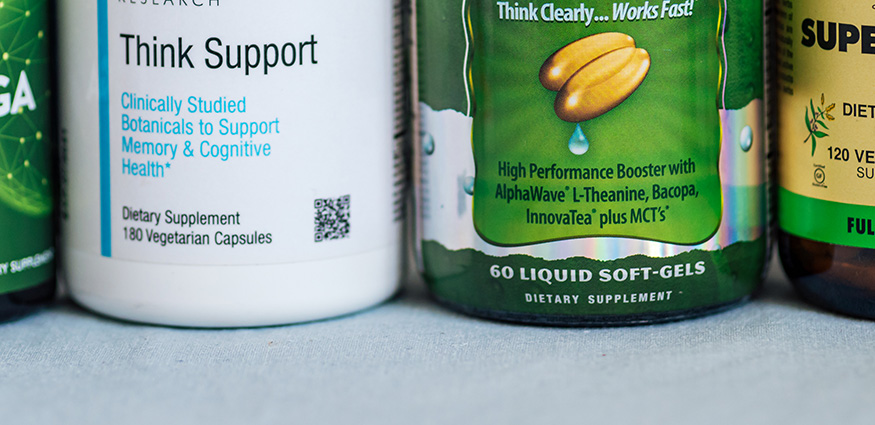
Health Canada regulates NHPs and supplements under the Natural Health Products Regulations (NHPR), a subset of the Food and Drugs Act (FDA). The Natural and Non-prescription Health Products Directorate (NNHPD) oversees the licensing, review, and approval of NHPs, ensuring they meet safety, efficacy, and labeling standards.
For an NHP or supplement to be sold in Canada, it must obtain a Natural Product Number (NPN) or a Homeopathic Medicine Number (DIN-HM). These numbers, found on the product label, indicate that the product has been authorized for sale in Canada and is considered safe and effective when used as directed.
What Factors Determine NHP Classification?
To determine whether a product is classified as an NHP or dietary supplement, Health Canada outlines four key factors:
- Product Composition: The primary ingredients and their intended use are crucial. If the ingredients are primarily for nutrition or hydration, the product is likely a food. If the ingredient is known for medicinal purposes, it may be classified as an NHP. Health Canada maintains an NHP Ingredients Database to help determine acceptable ingredients.
- Product Representation: How a product is labeled, advertised, and packaged plays a significant role in classification. For example, terms like “cough tablets” suggest NHP classification. Claims outside traditional food use may also indicate that a product is an NHP.
- Product Format: If a product is packaged in conventional food formats, like ready-to-drink beverages, it is likely classified as a food. However, products designed for controlled dosages, such as capsules or tablets, are more likely to be NHPs.
- Public Perception & History of Use: The public’s perception of a product and its historical use can influence its classification. If a product is commonly used for health purposes, it may be classified as an NHP.
Correct classification is essential for compliance with Health Canada’s regulations and ensures that the product meets all necessary safety standards.
The Role of Third-Party Supplement & NHP Testing
Analytical testing is vital in ensuring the safety, efficacy, and quality of natural health products, and third-party supplement testing helps reassure customers of product safety and quality.
As Health Canada states: “The licence holder is ultimately responsible for product quality.”
While some tests are required by Health Canada, additional testing can enhance a product’s marketability. Testing helps ensure that consumers receive products that are safe, correctly labeled, and of the highest quality.
Health Canada’s Quality of Natural Health Products Guide provides helpful guidance not only on what tests to perform but proper methodologies and acceptable tolerances.
Common Lab Testing for NHPs and Supplements
1. Specifications Testing
Required under Section 44, including:
- Identity of each medicinal ingredient
- Quantity per dosage unit
- Purity specifications
2. Stability Testing
Required under Section 52, to ensure product potency and safety throughout shelf life.
3. Microbial Contamination Testing
Microbiology testing may include screening for:
- Yeast and mold
- Salmonella spp.
- E. coli
- Staphylococcus aureus
- Pseudomonas aeruginosa
- Aflatoxins and mycotoxins
4. Elemental Impurities (Heavy Metals)
Testing for arsenic, cadmium, lead, and mercury. Health Canada publishes acceptable limits in its Quality of Natural Health Products Guide.
5. Residual Solvent Testing
Ensures manufacturing solvents are within acceptable limits.
6. Pesticide Residue Screening
Especially important for plant-based products.
7. Disintegration and Dissolution Testing
Disintegration testing is governed by Section 103 of the NHPR. This is not required for products intended to be chewed.
8. Testing to Support Label Claims
Examples include verifying “Gluten‑Free” status or confirming nutrient levels.
Consult the regulations and guidelines for your products. Tailor your quality program to your raw materials, finished products, and their inherent risks. Err on the side of caution and conduct as much testing as needed to verify product safety – don’t stop at just the testing required in the regulations!
Get Third-Party Supplement and Natural Health Product Testing
Our Edmonton laboratory specializes in supplement and natural health product testing for manufacturers and distributors in Canada. Our lab is ISO 17025-accredited, GMP-compliant, and holds a Health Canada GMP Drug Establishment License.
We offer validated methods to provide microbiology, analytical chemistry, and stability testing for a variety of NHP and supplement products.
Our laboratory network includes locations in the United States for our U.S.-based customers.